
A power vegetable
Whether as the main ingredient of a hearty quiche or a light Asian stir-fry, or eaten on their own as vegetable chips, leeks are always a good choice and are always in season. White winter leeks love to take centre stage on the plate, while green summer leeks are often used as a spice on account of their intense flavour.
Find leeks in your farm shop.
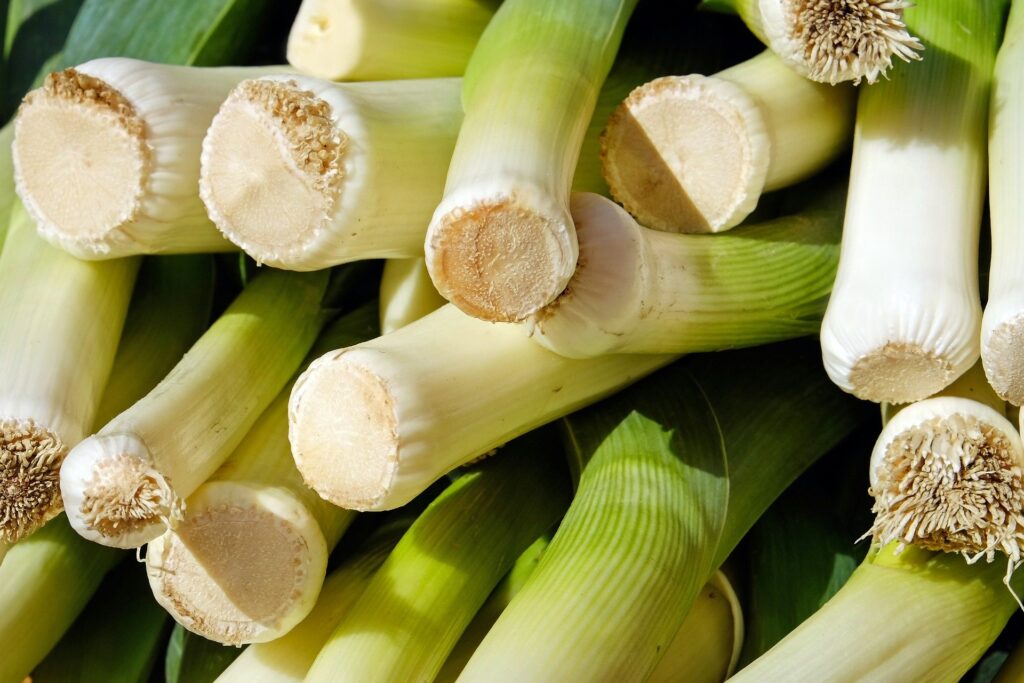
The pyramids built thanks to leeks
Wild leeks have been known in Europe for more than 2100 years. In their wild form, leeks develop an onion-like bulb at their base, which is not the case with cultivated leeks. At that time, wild leeks were concentrated in the Mediterranean region, but the ancient Egyptians had already been using them for several centuries beforehand.
The ancient Greek historian Herodotus reports that leeks were a staple food in the diet of the labourers who built the pyramids. In the Middle Ages, leeks were transported from Italy to Switzerland via trade routes and became a staple of Swiss cuisine.
A natural table decoration
Some gardeners grow leeks as companion plants in their gardens to protect other plants against pests. Grown between vegetable plants such as carrots, tomatoes or roses, leeks provide protection against pests like aphids. They grow well alongside carrots, endives, cabbage, kohlrabi, black salsifies, celery and tomatoes but less well next to beans, peas or beetroot.
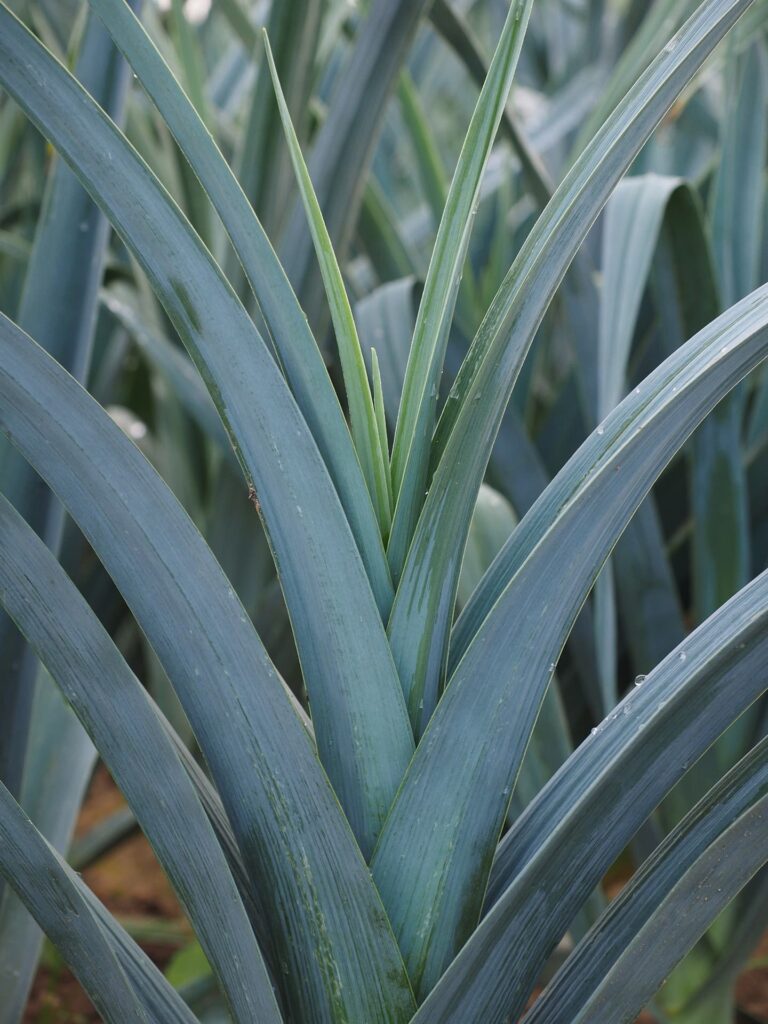
Did you know that leeks belong to the lily family and are therefore closely related to lilies? Although leeks are grown for consumption, they can also be used as a decorative element in floral arrangements and bouquets. The long green leaves of the leek provide an eye-catching feature in a bouquet alongside the flowers. If you have leeks in your garden, leave a few in the ground – leeks flower particularly delightfully in their second year.
Easily preserved
Fresh leeks can be stored in the refrigerator. Before storing them, it’s best to remove the outer layers and cut off the roots. Wrapped in a moist paper towel, the leeks will easily keep for a couple of weeks in the refrigerator’s crisper drawer without drying out.
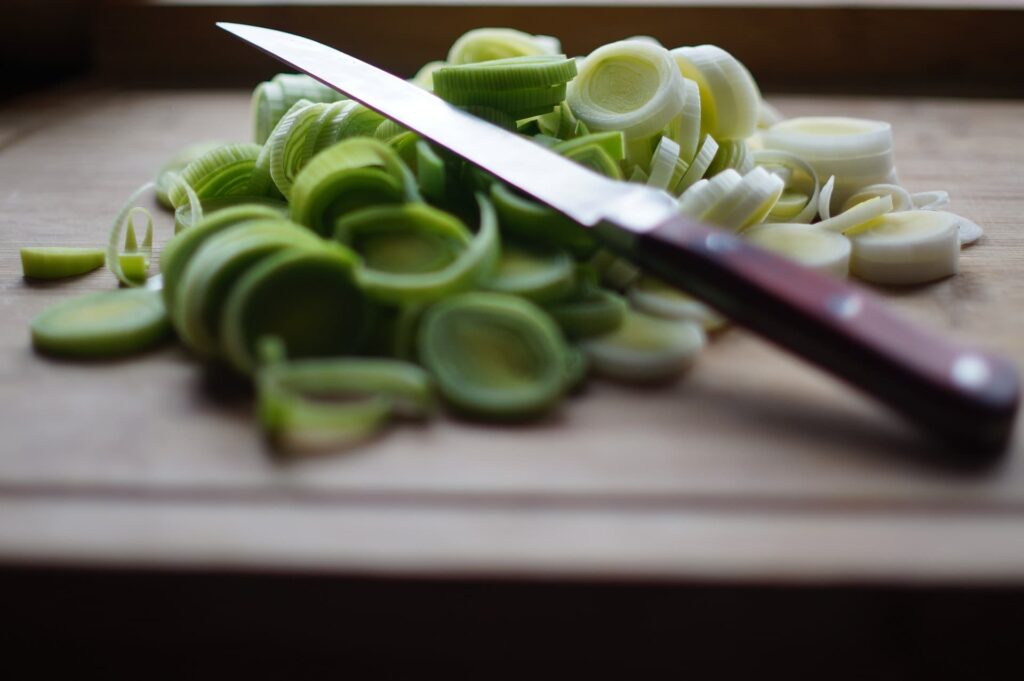
If you want to store leeks for longer, they can be frozen. Cut the leeks into rings or strips and blanch them for about two minutes in boiling water. Then cool them in a bowl of iced water to stop the cooking process. Thoroughly dry the leek rings and put them in a freezer bag. They will keep for three to four months in the freezer. Freezing can alter the texture of the leeks, however, making them slightly softer when thawed. These leeks are then best used in cooked dishes, such as soups, stews or sauces.
Creative recipes
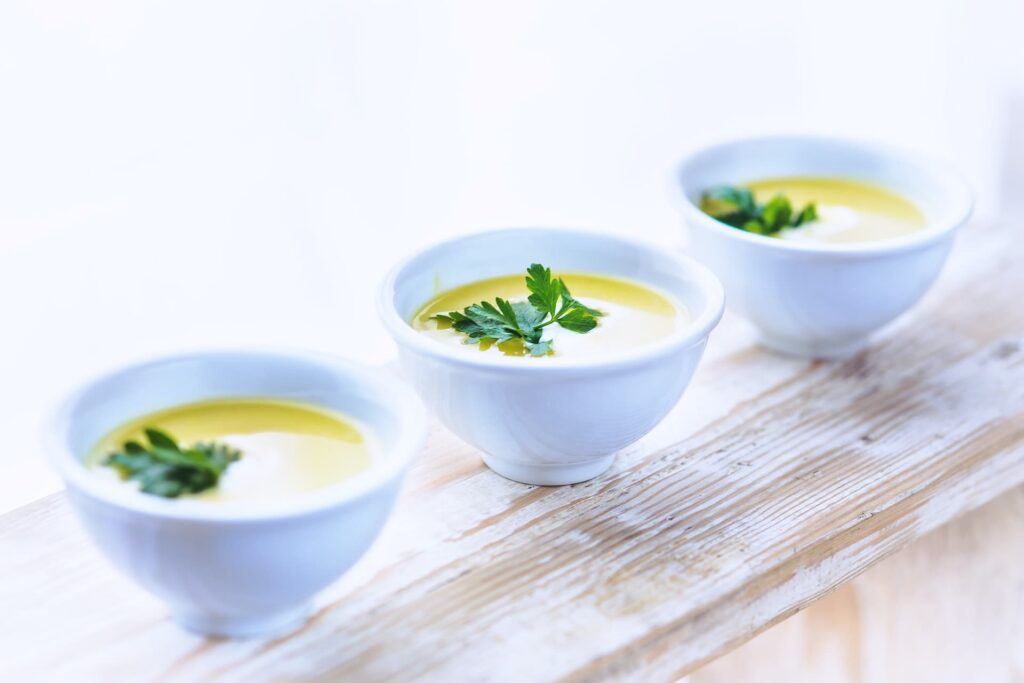
Combined with onions and celery, this stem vegetable provides an excellent aromatic base for soups, sauces and stews. Adding leek gives dishes that special touch. Anyone who likes to experiment should try grilled leek: cut the leek in half lengthwise and brush with olive oil, salt and pepper. Grill over a medium heat until soft and slightly browned. Serve as an accompaniment to grilled meat or as a dish on its own with a spicy sauce. Leeks can also be used raw, by the way – cut into small rings as a topping for salads and soups or in sandwiches.
Leeks are not only delicious but are also a healthy choice, being rich in fibre, vitamins and minerals. They boost the immune system with their high vitamin C content and help keep colds and the flu at bay. Leeks also contain vitamin K, a key vitamin for blood clotting, as well as folic acid, which is important not only for pregnant women.
This might also interest you

Seasonal calendar
The seasonal calendar shows when the different fruits and vegetables are in season.

Vegetables
An impressive variety of vegetables can be found in Swiss fields. Of the more than 100 varieties grown in Switzerland, the carrot is the most popular.


